Search the whole station
Wenzhou Feilong Polyurethane Equipment Engineering Co., Ltd.
Chinese website: http://www.pumcn.com/
English website: https://www.flpumachine.com/
The polyurethane equipment manufacturing industry in Wenzhou, China, began in the early 1970s and has undergone over 50 years of development. It was not until the past decade that the industry’s product categories and quality gradually caught up with international advanced standards. By deeply engaging in the research and design of domestic polyurethane equipment, and combining the current industry situation, I would like to share a few viewpoints for reference within the industry.
Currently, there are over 30 polyurethane equipment manufacturing enterprises in Wenzhou. The industry as a whole presents a development situation of “three more and one less”:
There are few enterprises engaged in independent innovation and research. Most enterprises in the industry do not have their own design drawings and exclusive enterprise production standards. They blindly follow and copy similar products, resulting in serious homogeneity in the market. Under the competition within the sector, many enterprises have insufficient orders, intermittent production, and are struggling to survive, let alone achieve transformation and upgrading.
There are mostly enterprises engaged in low-level and low-price competition. Polyurethane equipment is a specialized chemical equipment that requires matching corresponding process conditions to produce qualified products. However, most manufacturing enterprises only regard it as ordinary mechanical equipment production. The practitioners lack professional knowledge of polyurethane processes and raw materials, yet they claim to be able to produce qualified equipment; some enterprises directly apply existing drawings and technical materials, ignoring process standards and equipment strength requirements, cutting corners to seize the market at low prices, leading to vicious competition.
Copying and exaggerated promotion are prevalent. Some subcontracting workshops use the drawings and technical materials of cooperating manufacturers to copy polyurethane equipment with similar appearances, inducing purchasing customers with low prices. After the equipment is put into use, it often fails to meet production expectations. The customers’ initial decision to purchase at a low cost and ignore the supporting process software will cause many hidden problems in the long-term production.
Emphasis on marketing packaging and false advertising is prevalent. Some local enterprises claimed several years ago that their high-pressure machines, high-speed machines, etc., have performance comparable to imported equipment and have conducted product demonstrations many times. However, objectively speaking, due to the overall technical limitations of the industry, China is unlikely to achieve complete domestic production of high-end high-pressure machines and high-speed machines in the near future or in the foreseeable future. Such enterprises are mostly small and medium-sized manufacturers, with limited technology and production capacity, unable to develop products reaching international advanced levels in a short time. The related publicity is far from the actual situation of the industry.
The history of polyurethane equipment manufacturing in Wenzhou can be roughly divided into three stages: extensive exploration, specialized advancement, and comprehensive development.
I. Extensive Exploration
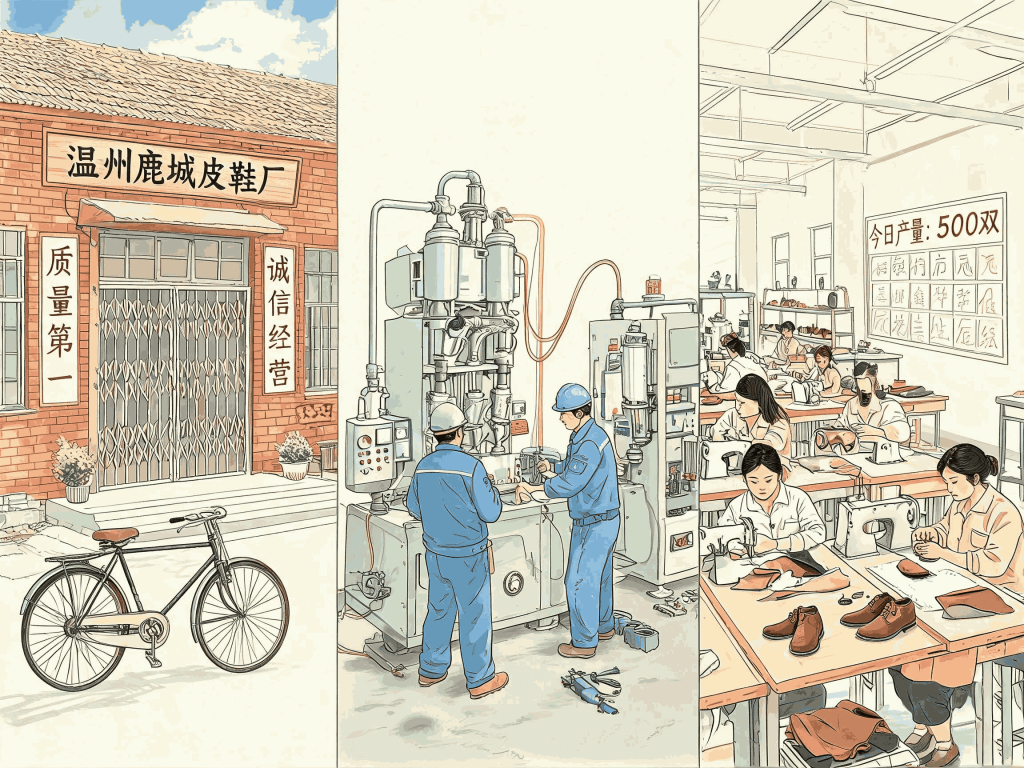
In the early 1970s, the Dai family from Wenzhou and the Zhu family from Leqing, based on the drawings of the British Viking company from Shanghai Light Industry Design Institute, began to conduct trial production. This pump had a compact structure, precise measurement, wide applicability, and was easy to process. Both places launched production almost simultaneously. Initially, the factory in Wenzhou was set up by the Songtai Primary School and was preparing for production. Later, the Dai family founded the Wenzhou Measurement Pump Factory, specializing in circular piston pumps and polyurethane hard foam sprinkler machines, thus entering the field of polyurethane hard foam. At that time, it was still during the Cultural Revolution. In February 1976, the People’s Transportation Press published “The Application of Plastics in the Shipbuilding Industry”, which was the only reference material at that time.
In 1977, the underground insulation project for the remains of Chairman Mao’s memorial hall was successfully completed using rigid foam sprinkler irrigation machines from Wenzhou Metering Pump Factory. This helped the factory and Dai’s establish their reputation in the domestic polyurethane industry. Subsequently, the factory also supplied rigid foam initialization machines to Luoyang, Liaoyang, and other places. Early products could only be reverse-engineered using imported equipment photos and schematics. Furthermore, before the reform and opening up, the performance of domestic components, electrical appliances, and control instruments lagged behind foreign standards, so the products could only be barely adopted. Referring to drawings from the Shanghai Light Industry Design Institute, a continuous flexible foam production line was built for Wuxi Huishan Pesticide Factory, including equipment for slicing, cutting, rolling, and cross-cutting. In April, the drawings were revised for this research and development work, not only increasing the width from 1 meter to 1.6 meters to improve output, but also optimizing the metering, mixing, and automatic control modules based on domestic processing conditions and available components. The implementation of the entire equipment solidified our understanding of polyurethane equipment and significantly improved our design and imitation capabilities
In the later period, the domestic refrigerator industry witnessed a boom. In Hangzhou alone, plans were made to establish over sixty refrigerator factories. The market urgently needed low-pressure rigid foam extrusion machines. To overcome this challenge, our team reached a cooperation agreement with the Shanghai Refrigerator Factory. Utilizing the two-day window period for equipment maintenance, we measured the core structure of the Japanese imported low-pressure foam extrusion machine. We promised to deliver the imitation pouring head as a spare part within half a month. The team worked around the clock, completing the entire process from design, material selection, processing to assembly and debugging in less than half a month. The trial use of the imitation pouring head met the standards, promoting the development and manufacturing capabilities of mold-based foam extrusion machines in Wenzhou to a new level.
After more than ten years of in-depth research and development, we have successively self-innovated and mass-produced continuous soft foam production lines and related equipment, box-type soft foam foaming machines, and soft-hard foam molding foaming machines, etc. During this period, the core achievements are as follows: Based on the imitation of imported equipment, through multiple rounds of trial and iteration, we successfully developed a polyurethane shoe sole pouring machine, thoroughly understanding the characteristics of shoe sole raw materials and the foaming process requirements of the equipment. The entire set of equipment had a production cycle of two to three months in the early stage. The continuous production and application as well as market feedback provided support for the optimization of equipment structure and performance upgrade. At the same time, it clearly defined the industry development direction: The polyurethane equipment manufacturing industry in Wenzhou should focus on molding equipment as the core, deepen technology, iterate products, and mainly promote stable performance, simple and practical PU shoe sole pouring machines.
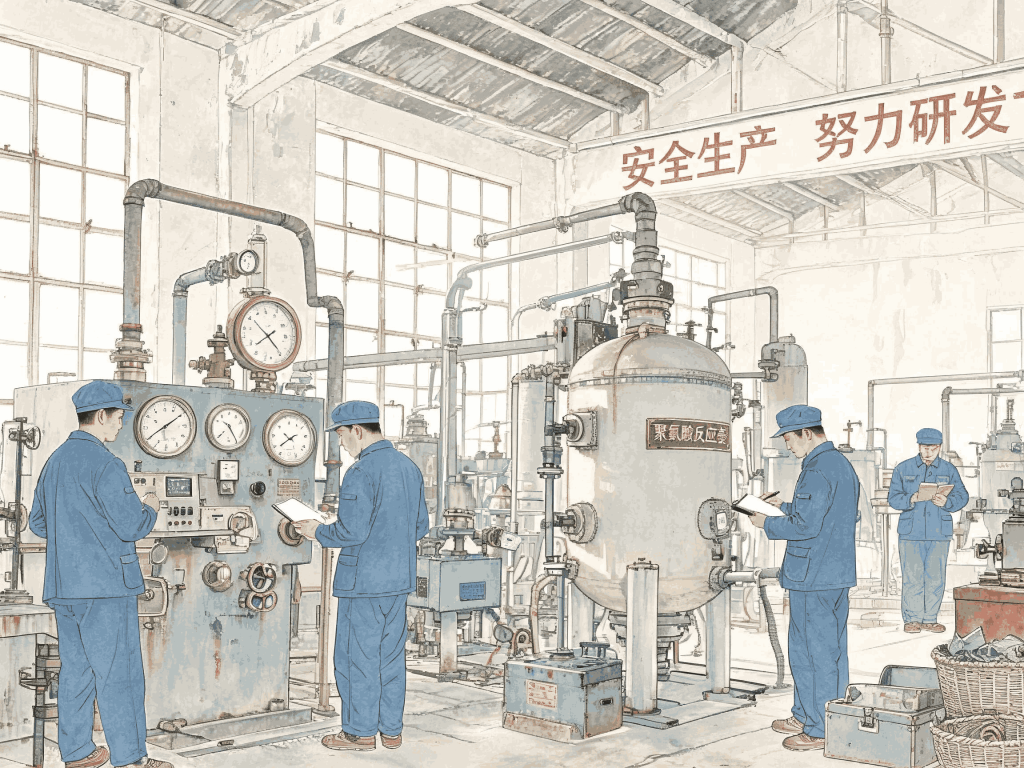
II. Professional Pursuit
“Struggle does not necessarily lead to success, but success always requires struggle.” After more than a decade of arduous exploration, at that time, only a few polyurethane equipment manufacturing enterprises in Wenzhou were barely able to break even, with an annual output value of only several hundred thousand yuan. Due to limitations in funds and production capacity, enterprises had difficulties in technological breakthroughs and could not expand their production scale. Subsequently, the industry witnessed significant opportunities, and the output value of related enterprises soared by more than ten times in a short period of time, with profits increasing by several times. The manufacturing technology of polyurethane shoe sole machines in Wenzhou became increasingly mature, and the production scale expanded rapidly. Hundreds of sets of shoe sole machines per year were widely recognized by domestic users, and they also contributed significantly to enhancing the international industry status of China’s footwear industry.
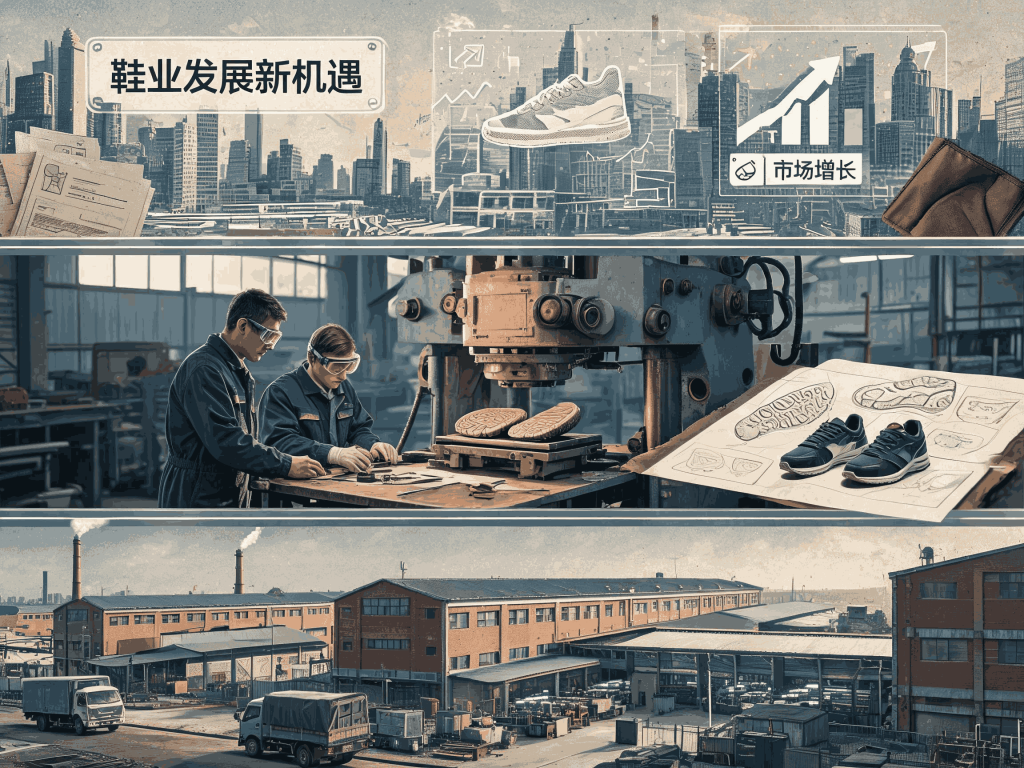
Development Overview: In early 1992, imported brand-name sports shoes were selling extremely well in places like Guangzhou. Some enterprises in Wenzhou, relying on imported equipment and raw materials, began to produce high-quality counterfeit brand shoes. The appearance and quality were so similar to the genuine products that they could be easily mistaken for the real ones. The profit per pair of shoes could reach as high as 200 yuan. The huge profits attracted dozens of local sports shoe manufacturers in Ruian to enter the market. However, to produce such shoes, they needed to purchase a 8 million-yuan injection machine for injecting polyurethane with a German-made double-layered heel. This equipment was structurally complex and costly, with a high investment and difficult return on investment. The procurement risk was extremely high.
Immediately, new ideas emerged within the industry: to switch to using low-pressure foaming machines to produce two-color, two-density polyurethane sports shoe soles. Dozens of shoe factories held multiple discussions about cooperation, but due to the need to invest a large amount of money in conducting technical experiments, the shoe factories were concerned about risks and the cooperation was repeatedly put on hold. Eventually, we selected a shoe factory with excellent scale, funds, and technical foundation to form an alliance for development. We adopted a cooperative model, where the cooperating parties did not need to purchase equipment, only investing in the factory building and a small amount of funds. The cost of trial and error was extremely low; even if our research and development failed, the equipment could be used for other purposes, and the overall risk was controllable. Once successful, it would be able to open up a brand new development path.
Through the collaborative efforts of raw material supply, equipment manufacturing, mold development, and production users, the new process and equipment were successfully developed. This marks a new era in the production of polyurethane sole and slip-on shoes. The new process significantly improves product quality and the rate of genuine products, reduces equipment and mold investment as well as production costs, simplifies the production process, and enhances production capacity. It enables the mass production of high-quality, cost-effective first-class products. This will help the domestic polyurethane sole raw materials, molds, equipment, and products industry enjoy a decade-long development benefit.
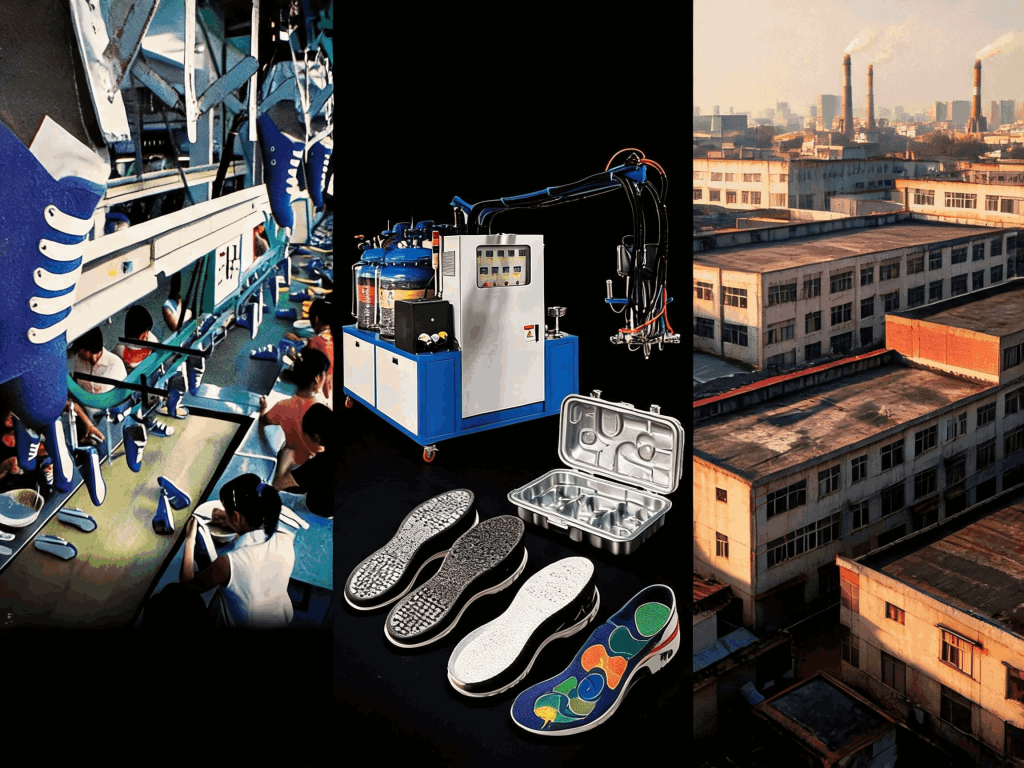
Industry experience and lessons learned
1. To succeed, one must seize opportunities, concentrate resources, and focus efforts in a targeted manner. In the early 1990s, three or four enterprises in Wenzhou had already developed basic equipment for manufacturing polyurethane shoe soles and sold them in small quantities to the Fujian region. However, the product performance was not yet mature, and they could only start production with the help of experienced operators. Facing the market trend of the shoe sole equipment for sports shoes in Ruian, only the Dai brothers’ two enterprises concentrated all their resources, collaborated deeply with users and mold manufacturers, and within a few months developed usable equipment; at the same time, technicians were stationed at the factory to solve production problems in real time. The production efficiency of the equipment was significantly improved, and the production cycle of a single shoe sole foaming machine was shortened from several months to 2-3 days. At that time, the production of sports shoes was highly profitable, and the shoe sole equipment was in high demand. The other enterprises did not focus on the shoe machine sector, had insufficient problem-solving capabilities, and their businesses remained stagnant, becoming small workshops. This industry transformation gave rise to several medium-sized enterprises in Wenzhou with an annual production of over a hundred sets of equipment and an annual output value of tens of millions. This also made Wenzhou the largest polyurethane equipment manufacturing base in China.
2.Based on our own capabilities, we should develop pragmatically and avoid aiming too high. In the early 1990s, the market demand for polyurethane shoe sole equipment was sluggish. Only in Jinjiang, Fujian Province, there was a small amount of purchasing demand; in contrast, in Rui’an, there was a huge gap in the demand for special equipment for double-color and double-density sports shoes. At that time, imported equipment was divided into two categories: the Japanese medium-temperature low-pressure foaming machine, which was mainly used for making shoe soles and had a low cost and simple structure, and was also the main target for domestic manufacturers to imitate; the West German high-speed stirring disc injection machine, which was suitable for the production of double-color and double-density sports shoes, had a high price, a complex structure, and a complex control system. At that time, there was no domestic imitation capability. In the industry, regarding the production equipment for sports shoe soles, two development routes were formed:
a. It was a direct copy of mature technology, imitating the high-end injection machines from West Germany. Due to the limitations of manpower, material resources, and technological level at that time, this plan could not be implemented in the short term and could not generate economic benefits. Some enterprises that later developed low-pressure equipment and achieved profitability invested a large amount of resources to imitate such equipment. Although they completed prototypes and showcased them externally, the performance and structural reliability of the equipment were significantly different from the original equipment. They only had a similar appearance but could not be commercially implemented and ultimately all the research and development failed.
b. It was the innovation of production processes, replacing closed-mold injection with open-mold pouring. A combined approach of domestic and foreign technologies and a step-by-step optimization model was adopted. Initially, two sets of low-pressure sole machines were used, along with an improved double-layer mold, for two separate pourings to produce double-density sole parts, followed by bonding the shoe uppers. Through continuous iterative optimization, a complete two-color, double-density integrated uppers forming shoe production equipment and supporting processes were finally developed, achieving a transformation from quantitative to qualitative technological advancement. Under intense market competition, the monthly sales volume of such equipment per factory can reach several dozen sets, forcing major manufacturers to continuously optimize their products: simplifying the structure, enhancing stability, and reducing production costs. Only by constantly improving and increasing the quality rate of products and reducing equipment failure rates can industry enterprises produce shoe bottoms and integrated uppers that are on par with international standards, thus stabilizing their market position.
III. Comprehensive Development
Entering the 21st century, the polyurethane shoe sole equipment in Wenzhou has been on the market for nearly a decade. Each year, hundreds of sets are exported, and the domestic market has become saturated. This category has considerable profits and a relatively low technical threshold for debugging. Dozens of enterprises have concentrated on production, resulting in serious product homogeneity and intense industry competition. The development of the sector has gradually reached its peak. Based on decades of industry development experience, developing molding equipment remains the only way out for the polyurethane equipment manufacturing industry in Wenzhou. Local enterprises in this field have mature design and research capabilities, as well as complete technical accumulation and customer resources.
Previously, some enterprises in Wenzhou invested resources in developing high-pressure foaming machines and vigorously promoted the performance of their products, claiming that it had reached the international advanced level. It is well known in the industry that due to the shortcomings of domestic basic industries such as materials, heat treatment, and precision processing, in the short term, only with local technology, it is impossible to mass-produce high-pressure machines that meet international standards. Currently, only a few strong enterprises such as Wuhan Light Industry Machinery Factory can produce high-pressure machines close to international levels by relying on imported core components; most enterprises’ related publicity is merely for exaggeration and hype. With the current design, manufacturing, and processing capabilities of Wenzhou, it has been difficult for them to develop high-end high-pressure machines in the past decade, and some enterprises even do not have the qualification for designing and manufacturing pressure vessels.
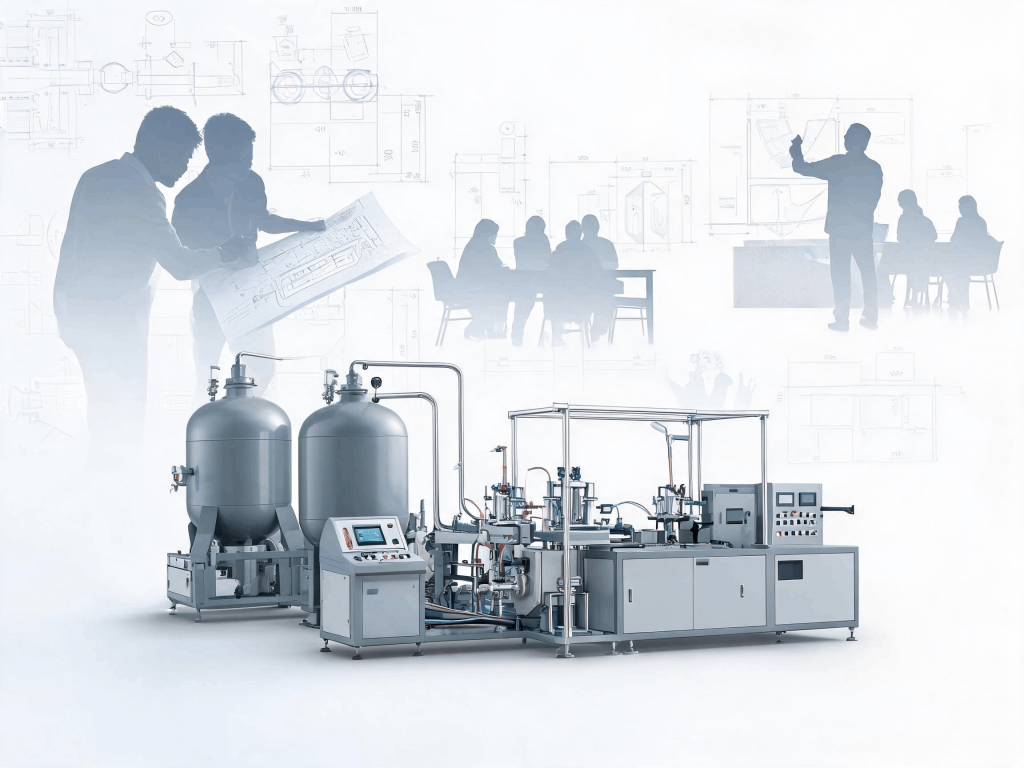
Based on comprehensive research of relevant domestic and foreign materials, equipment parameters and production status of products, compared with high-pressure machines, low-pressure foaming machines have eight core advantages:
①The cost is low and controllable. The price of a high-pressure machine is several to several dozen times that of a low-pressure machine. The costs for later operation and maintenance, as well as the procurement of spare parts, are even higher, making the investment burden heavy. Many newly-built export-oriented refrigerator factories have chosen low-pressure machines, effectively reducing the one-time investment and production costs, and enhancing the international competitiveness of the products. In the early days of the domestic refrigerator industry, in order to align with international standards, all used high-pressure machines. Nowadays, to reduce costs and increase efficiency and highlight the cost-effectiveness of domestic products, low-pressure machines have once again become the preferred choice in the industry.
② The viscosity range of the original solution is wide. The low-pressure machine can handle solutions with viscosities ranging from a few centipoises to 8000 centipoises; the viscosity range of the high-pressure machine is limited and it cannot be adapted to extreme high or low viscosity raw materials, such as the high-viscosity AB pairs of raw materials used in the pre-polymerization method for elastomer pouring machines.
③ The range of material mixing ratios is wide. When producing products such as NDI type prepolymer elastomers and the mixing ratio reaches 100:1, the low-pressure machine can still achieve uniform mixing; however, the high-pressure machine cannot adapt to production conditions with an excessively large ratio difference.
④ The applicable working temperature range is wide. The low-pressure machine can be used for all types of polyurethane foam products and elastomer products at normal temperature, medium temperature, and high temperature; the high-pressure machine is only suitable for production at normal temperature and cannot meet the requirements for medium and high temperatures.
⑤ The output volume is adjustable. The low-pressure machine has extremely strong compatibility in terms of output volume, with the minimum reaching 0.3 – 1g/s, capable of producing small items such as miniature earplugs and imitation wood fish labels; for multi-component models, the maximum output volume can reach 500kg/min, suitable for large-scale product production; the high-pressure machine has a fixed output volume and cannot produce miniature or extra-large PU products.
⑥ Comprehensive application scenarios. The low-pressure machine can produce various types of foaming products such as soft foams, hard foams, semi-hard foams, and micro-porous elastomers. It can add 30% to 50% inorganic fillers to reduce costs and improve efficiency. At the same time, it is compatible with pre-polymerization, semi-pre-polymerization, and one-step polymerization processes, and can produce various non-foaming casting types and thermoplastic elastomers. The previously introduced high-pressure shoe sole forming equipment, due to high production costs and low product qualification rates, has never been widely adopted.
⑦ Supports multi-component production. The low-pressure machine can freely switch between multiple component materials according to color matching and process requirements, with convenient operation and stable performance. The high-pressure machine, when adding components, will significantly complicate its structure, increase the cost, and its stability cannot be guaranteed.
⑧ The operational threshold is lower. The low-pressure machine has a simple structure and is easy to operate and maintain, with low technical requirements for operators. In contrast, the high-pressure machine has a complex structure and high cost, and requires professional personnel for operation and maintenance. It is prone to frequent failures, which can affect normal production.

IV. Enterprise Practice (Wenzhou Feilong Polyurethane Equipment)
After China’s accession to the WTO, the entire industry has fully integrated with international standards. The demand for the research and development of new polyurethane products has continued to increase. Currently, low-pressure machines can basically cover the vast majority of production processes and product categories of high-pressure machines. Therefore, Wenzhou has deeply focused on the low-pressure molding polyurethane technology and equipment, and has a promising future. Wenzhou Feilong relies on its mature R&D and design capabilities, as well as the excellent customer reputation accumulated over decades. In the past three years, it has cumulatively developed and implemented over 80 new processes and hundreds of new equipment specifications, and put them into mass production and application.
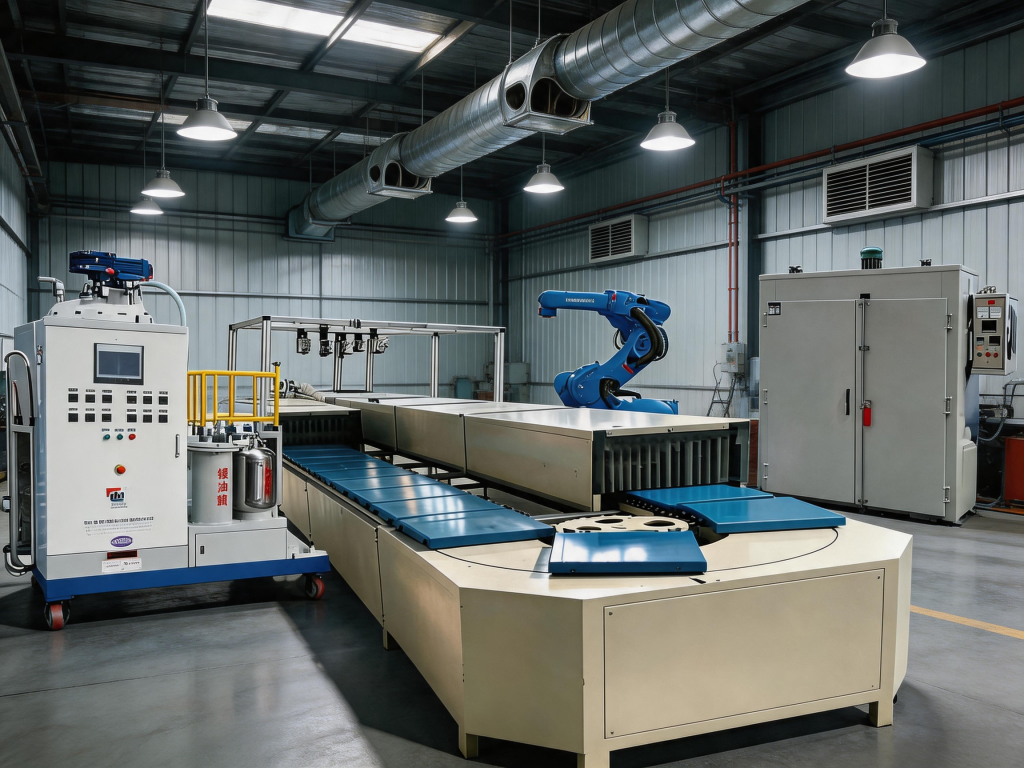
I. Principles and Methods for Developing New Processes and New Equipment
(1) Adhering to the concept of “having what others don’t, and being better than others”, we focus on users’ essential needs and provide a complete set of pre-sales services. From raw materials, processes, equipment, molds to operations, we offer an integrated solution to help customers quickly achieve economic benefits. Customer profitability is also the foundation for the long-term development of the enterprise. If the trial production of new products fails, we will fully refund the customer’s advance payment to minimize the losses of the cooperation partners; the enterprise views the failure in research and development as a means of technical accumulation, to accumulate experience and lessons, and to balance social benefits and cooperation reputation. Most of the company’s business relies on referrals from old customers, upstream and downstream enterprises, and research institutions, with integrity as the core competitiveness. For similar products on the market, we optimize core components such as material tanks for feeding, metering pumps, pouring and mixing, and electrical control, to create a differentiated advantage; the product performance is continuously iterated and updated year by year.
(2) Specializing in low-pressure equipment and absorbing advanced technologies from both domestic and international sources. By drawing on the advanced structures and design concepts of similar equipment from both domestic and foreign markets, in collaboration with research institutions, raw material and mold manufacturers, we have successfully developed a super-small high-rebound soft foam and self-bonding hard foam pouring machine weighing only 1 gram. We have made significant breakthroughs in the field of polyurethane elastomer equipment, and our technology is gradually approaching international standards. For existing customers of imported equipment, we provide high-quality and cost-effective domestic components to help them reduce operation and maintenance costs. With the goal of catching up with overseas equipment, we simultaneously collect industry data and continuously iterate and optimize our products.
(3) Actively undertake new product trial production and equipment modification projects. The research and development of new products and equipment modification often involve high investment but low returns or even losses, but they can strengthen the development potential of the enterprise and attract more cooperative customers. The Shanxi Chemical Research Institute once purchased a German polyurethane elastomer pouring machine at a high price. However, due to design flaws, the equipment could not meet the production requirements of CPU and was left idle and scrapped. Our company, based on our own experience in elastomer equipment research and development, determined that the equipment could be modified and upgraded. We upgraded the two-component equipment to a three-component model that could automatically add color, and its performance was benchmarked against imported high-end equipment. After the plan was approved, the equipment was transported back to Wenzhou. After three months of surveying, designing, component production and modification, it has now been debugged to meet the standards and is awaiting customer acceptance and trial operation.
(4) Uphold integrity as the foundation and abide by the cooperation commitments. The development of the enterprise relies on customer resources. When negotiating business, we adopt a two-way thinking approach: even if the cooperation fails, we still establish industry partnerships and provide free technical support; after the cooperation is concluded, we abandon one-off transactions and base it on mutual benefit, establishing a long-term cooperative relationship. Before undertaking a project, we conduct market research and feasibility analysis, truthfully inform the industry’s pain points and sales risks, and prevent inducing customers to blindly start production; throughout the process, we assist customers in solving various technical problems related to raw materials, processes, equipment, and molds. Within the scope of the contract, we strictly fulfill our obligations. If the equipment needs repeated debugging and still fails to meet the standards, we will unconditionally return and refund the product. In 2002, we supplied a large-capacity sandwich board hard foam foaming machine to a certain enterprise in Kunshan. After multiple debugging sessions, the product quality was unstable. We promised to debug within a specified time frame. If the standards were not met, we would immediately return and refund the product. After investigation, the equipment and molds were in compliance with production standards. The root cause of the product problems was the non-compliance of the raw material’s whitening period. Subsequently, we brought compliant and low-priced raw materials for debugging, and the equipment produced qualified products at one go, which not only met the customer’s needs and reduced their production costs, but also accumulated valuable experience for the debugging of large-scale foaming machines.
(5) Technology empowers development and shapes the corporate brand image. After years of in-depth industry exploration, relying on university research resources and combining with massive industry data and repeated practical operations, our company has comprehensively mastered the technical knowledge related to the entire polyurethane industry chain. Over the years, we have compiled professional materials and papers exceeding one million words, and have published them at industry conferences, academic exchanges, and online platforms, disseminating industry technical knowledge and enhancing the company’s reputation and industry influence. Many partners have actively come to negotiate new product development business. Different from most manufacturers in Wenzhou that lack research capabilities and have highly homogeneous products, our company simultaneously updates both new and old products, and has a consistently saturated order volume. The R&D and production departments work overtime for long periods. At the same time, we prepare a full set of technical materials for various projects in advance, which enables us to quickly conduct substantive business negotiations. For state-owned enterprise bidding and high-standard procurement projects, we have been recognized with detailed technical materials and professional answers, which has also laid a solid foundation for equipment exports. Daily, we have dedicated personnel on duty, and receive technical consultations from all over the country on a regular basis. With warm, patient, meticulous, sincere, and meticulous “five-hearted” services, we have made many friends in the industry.
(6) Classify the procurement users into three categories for tiered services.
① Entry-level users in the industry. Provide basic knowledge about raw materials, equipment, and products, explain the production elements of qualified products, the evaluation standards for high-quality equipment, core components and structural features; assist in completing feasibility analysis and cost calculation, solve problems related to raw materials, processes, commissioning, molds, etc. one-stop, and recommend professional technicians as needed. A rubber roller manufacturing enterprise in Sichuan, with our assistance, comprehensively understood the production mode of polyurethane rubber rollers and purchased a complete set of production equipment; we hired industry experts on behalf of the enterprise, trained operation and maintenance personnel, and established a quality inspection system, helping the enterprise achieve profitability in a short period of time.
② Users transitioning from manual production to mechanized production. We will specifically explain the differences in raw materials and processes between the two production modes, as well as the potential risks involved. This will help customers understand the core value of mechanized production in terms of cost reduction, quality improvement, and increased output. A certain elastic body component manufacturer in Zhejiang Province, after introducing our pouring production line, saw a reduction of over 10% in raw material waste, streamlined the operation staff, and reduced production costs, achieving standardized mass production.
③ Existing expansion and upgrading users. Optimize equipment as needed, retain the advantages of old equipment and fill the operational gaps; clearly, high-quality equipment is not about having complex functions, but about being suitable for the process, easy to operate and maintain. A certain group in Hebei Province, whose rubber roller factory originally purchased French imported equipment with high procurement and operation costs; we customized an elastomer casting machine according to the requirements of surpassing imported machines in performance, having an exquisite appearance and a price only one quarter of the imported ones. After one year of practical use, the equipment’s comprehensive performance was comparable to that of imported models and had an extremely high cost-effectiveness. This enterprise subsequently purchased two more machines, including a domestic large three-component CPU casting machine.
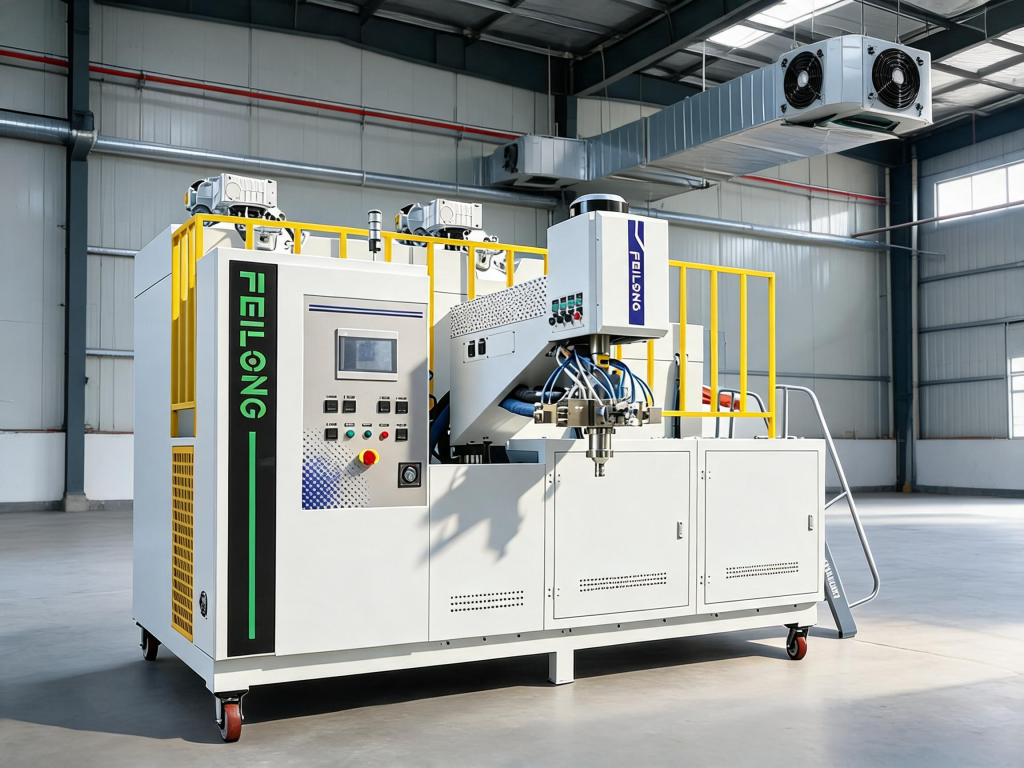
II. Mainstream technologies and equipment that have been successfully developed and implemented in recent years
(1) In the field of molded polyurethane foam plastics: In addition to conventional injection molding machines for soft foam, hard foam, semi-hard foam and micro-cellular elastomer injection/foaming, a number of special specification equipment have also been successfully developed. These include ultra-small equipment with a product weight of only 1 to several grams, and large-scale equipment with an injection capacity of 200 kg/min; servo-touch fully automatic filter pads and large-scale sealing pad injection machines; carpet backing injection machines that can add high fillers, vacuum plastic seat cushions and instrument panel injection machines; dual-density soft and hard foam foaming machines, as well as large-scale micro-cellular elastomer polyurethane solid tire injection machines, centrifugal molding machines, etc.
(2) Polyurethane Elastomer Field:
a. Various pre-polymer pouring machines, suitable for the production of different materials such as TDI, MDI, NDI, PPDI, etc. of pre-polymer;
b. Special CPU pre-polymer reaction vessels and accompanying auxiliary equipment, specially developed for polyurethane production, with superior performance compared to ordinary chemical equipment;
c. Two-component and three-component semi-polymerization pre-polymer polyurethane elastomer pouring machines;
d. One-step CPU pouring machine, capable of producing CPU products and rubber rollers ranging from ultra-high hardness to ultra-low hardness;
e. Three-component thermoplastic elastomer (TPU) pouring machine.

Attached: Some papers and materials
 FEILONG PU MACHINE