 FEILONG PU MACHINE

Why Are Some Casting Machines Twice as Expensive? What Are the Core Differences
Wenzhou Feilong Polyurethane Equipment Engineering Co., Ltd.
Chinese website: http://www.pumcn.com/
English website: https://www.flpumachine.com/
Many purchasing staff encounter the same question when inquiring about casting machines. Two-component casting machines from different suppliers all come with material tanks, metering pumps and mixing heads, and look quite similar, yet their quotations can differ by double.
Most buyers assume the big price gap comes from high profit. In fact, the huge difference rarely results from profit. It lies in fundamental gaps in core components, machining accuracy and process adaptability. Low-cost equipment saves money at the time of purchase, yet it often suffers ratio drift, temperature fluctuation, high reject rate and frequent breakdowns during mass production, leading to higher overall operating costs. We break down the key factors causing price differences below.
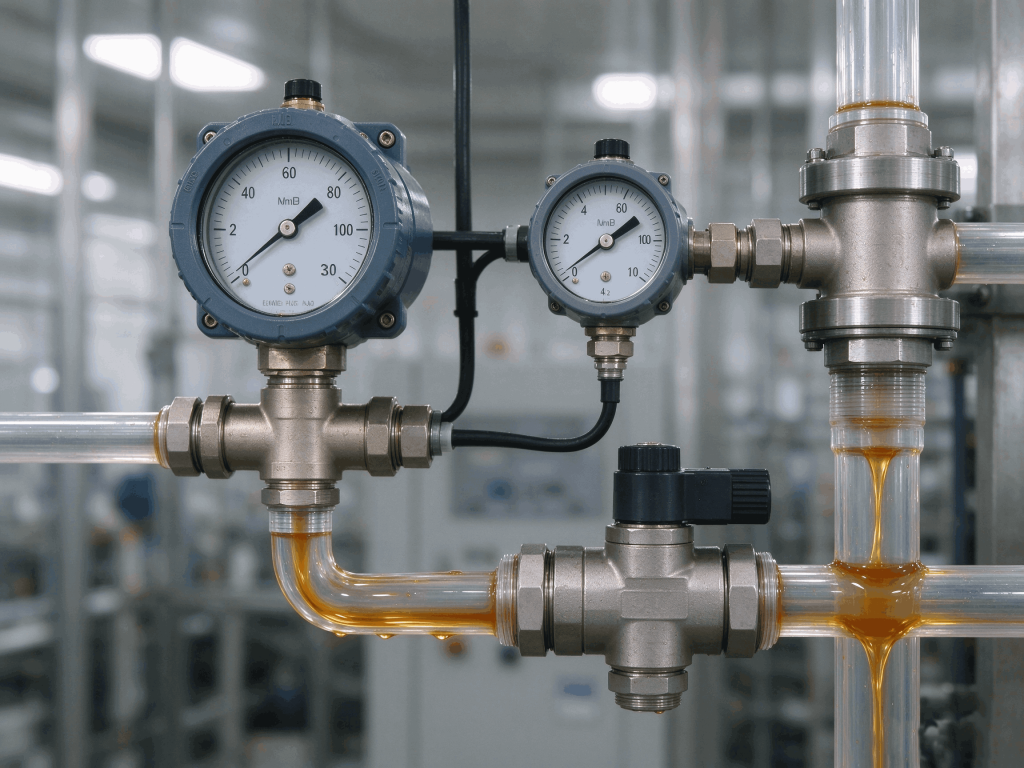
The metering system decides the stability of A and B component ratio and creates the largest cost difference. Low-cost models generally adopt ordinary gear pumps with simple speed regulators, without pressure compensation structure. Accuracy looks acceptable during calibration. But flow will drift once raw material temperature, viscosity or pipeline pressure changes. They are only suitable for sample testing and low-standard products. When mass-producing walking wheels and sealing parts, hardness and mechanical properties vary between batches, bringing high reject rates.
High-end units are equipped with high-precision low-speed tungsten steel gear pumps or plunger metering structures, fitted with pressure sensors and closed-loop flow feedback. The pump body is made of wear-resistant materials with strict machining tolerances to keep ratio error stable under fluctuating temperature and viscosity. For MC nylon sensitive to molecular weight and high-grade PU elastomer products, metering accuracy directly determines finished product performance. A complete closed-loop metering system usually accounts for more than 30% of the total price gap.
2. Temperature Control System: Simple Heating Rods vs Zoned Closed-Loop Constant Temperature Control
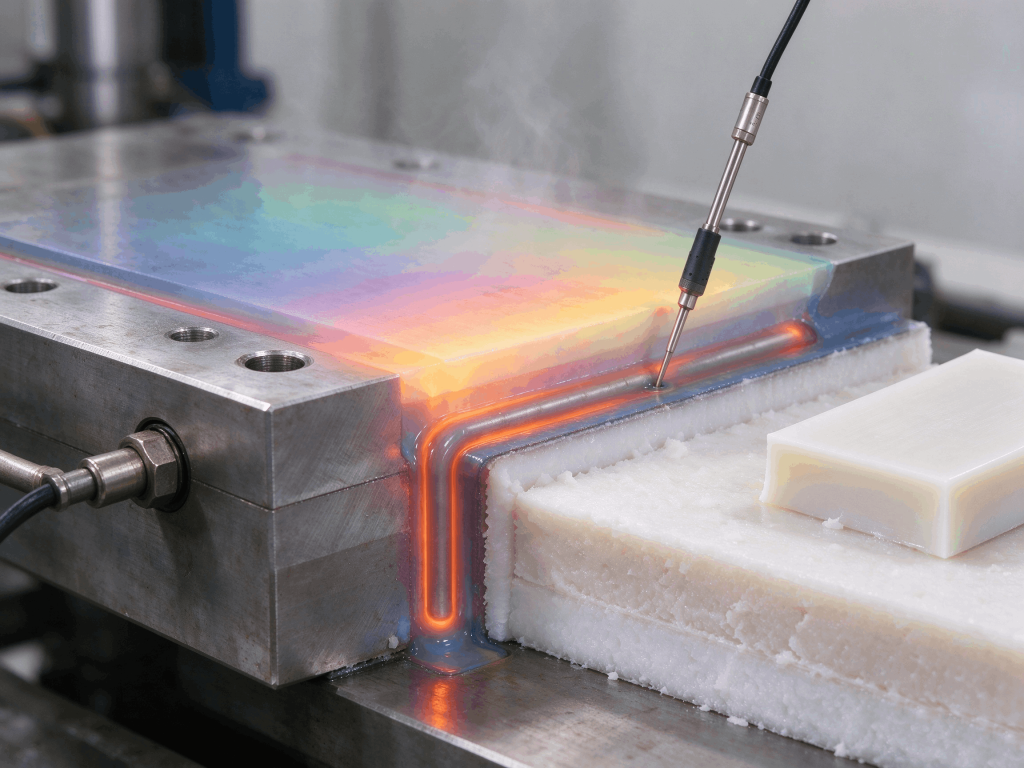
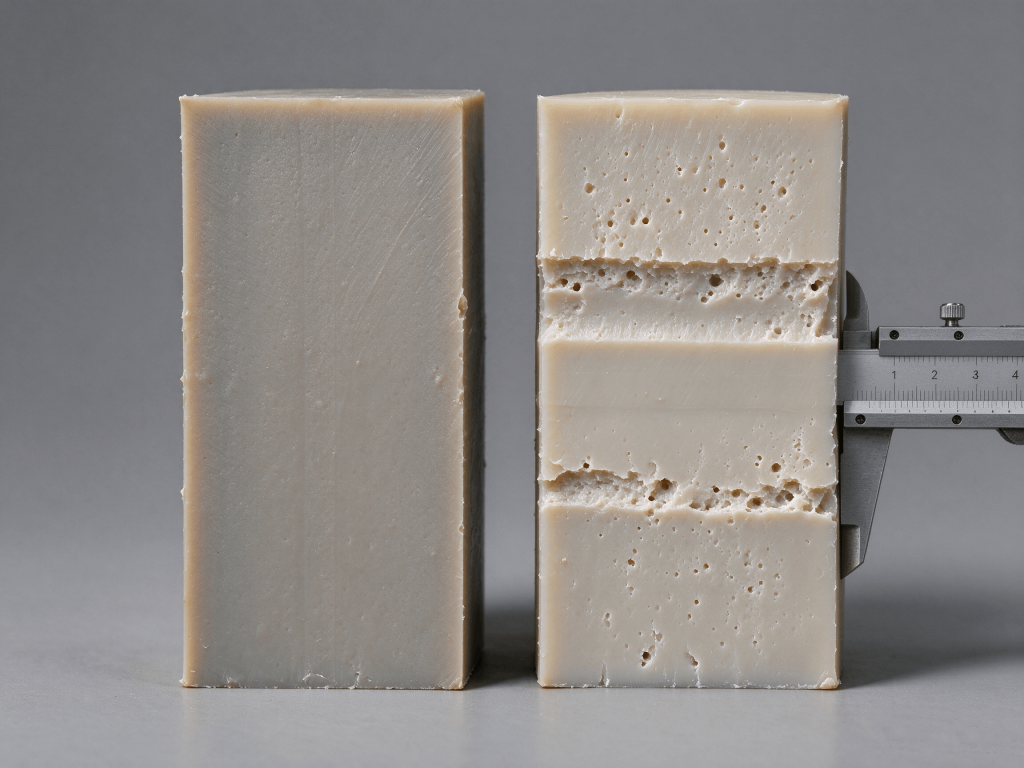
Temperature control is far more than installing heating rods. Economical designs only heat the whole tank, without heat tracing and insulation for delivery pipelines. Few temperature sensors are installed, and temperature response lags. Temperature fluctuates easily when ambient condition or raw material changes. Unstable viscosity leads to poor foaming and polymerization, blowholes and delamination.
Premium machines adopt independent zoned temperature control: separate temperature control for tanks, pipelines, casting heads and mold preheating. Circulating medium keeps constant temperature with insulation layers. Multiple temperature sampling points and PID closed-loop control limit temperature fluctuation to a narrow range. MC nylon polymerization is extremely sensitive to temperature. A temperature deviation of only one or two degrees will change the final molecular weight. Unstable temperature for PU elastomers and flexible foam causes color difference and uneven foaming. Well-designed constant temperature systems require higher investment in components and engineering.
Small in size, the mixing head determines mixing quality. Low-cost mixing heads have simple flow channels with weak shearing performance and simplified recirculation & cleaning structure. Materials mix unevenly, resulting in streaks and incomplete reaction. Poor cleaning design leaves excessive residue during formula or color change, wasting raw materials and prolonging cleaning work.
Self-developed patented mixing heads are optimized on flow channels, shear blades, recirculation paths and sealing structures. They realize uniform mixing with minimal residue. Reliable seals prevent backflow and leakage. Pressure balance regulating valves are installed in cleaning circuits for easy material switching. PU elastomer, carpet backing foam and MC nylon follow different reaction mechanisms, requiring different internal flow designs for mixing heads. Generic simple heads can only produce samples and cannot support stable mass production. Custom patented mixing heads cost more in R&D and machining.
4. Material, Machining and Assembly Standards: Hidden Costs
Many cost cuts are hidden in easily overlooked details: Material tanks: economical versions use ordinary stainless steel with basic welding; high-end ones adopt 304 stainless steel with precise argon welding and polished inner surface to avoid material accumulation and contamination. Seals: common rubber seals swell and age quickly when exposed to isocyanate; high-grade fluororubber special seals extend service life. Pipelines and frames: low-cost pipelines have many dead zones where material stays and pre-reacts; optimized streamlined pipelines reduce dead space. Assembly: loose tolerance for low-end assembly; pump bases and mixing head mounting surfaces of high-end machines are precision machined to guarantee coaxiality, reduce vibration and slow down wear.
Cost reduction in these areas brings no obvious trouble at the beginning. Leakage, pump jamming and seal failure usually break out after half a year or one year.
Basic machines use inverters and button panels with simple speed adjustment. No data storage or fault alarm functions. Operators record parameters manually, making it hard to trace the root cause of defects. High-grade control adopts PLC and touch screen. Ratio, flow, temperature and vacuum data can be displayed, stored and exported in real time. The system triggers alarms when parameters exceed limits, and supports one-click recipe recall for fast product changeover. Batch data traceability is a mandatory requirement for OEM supporting and export orders. Sensors and program development increase the cost.
6. Process Support Service: The Most Easily Overlooked Value beyond Hardware
This is a commonly ignored factor for price difference: whether equipment delivery comes with technical process support. Simple assemblers only sell hardware. Delivery is completed as long as the machine can discharge material. Customers need to spend plenty of time troubleshooting blowholes, delamination and unstable molecular weight by themselves. Professional manufacturers develop equipment together with process technology. Delivery includes sample casting, formula adjustment and operator training. Continuous support is available for new product development, formula modification and defect analysis. Investment in process R&D and on-site commissioning engineers is reflected in quotations.
7. Selection Suggestions: Neither Blindly Pursue High Price nor Choose Cheap Models
7.1Clarify product positioning: economical machines work for sampling and low-demand products; high-end stable machines are preferred for mass production, export orders, high-performance wear-resistant parts and MC nylon.
7.2Do not compare only photos. Check metering pump type, temperature zoning, mixing head structure, seal material and sensor configuration one by one.
7.3Arrange trial casting first: test multiple consecutive batches with the same raw material and formula to compare product consistency.
7.4Calculate full life cycle cost: take yield rate, material waste and downtime maintenance cost into account instead of only focusing on purchase price.
Closing
The double price difference of casting machines is not simply brand premium. It comes from comprehensive gaps in metering accuracy, temperature stability, mixing performance, material standard, automation level and technical service. A qualified casting machine is not judged by whether it can pour material, but whether it can steadily produce qualified products in long-term operation.
Wenzhou Feilong Polyurethane Equipment Engineering Co., Ltd. provides customized solutions according to customer process requirements. We supply economical intermittent casting machines and custom high-precision casting production lines, together with process commissioning and long-term technical support. Feel free to send your product process requirements for a quotation.