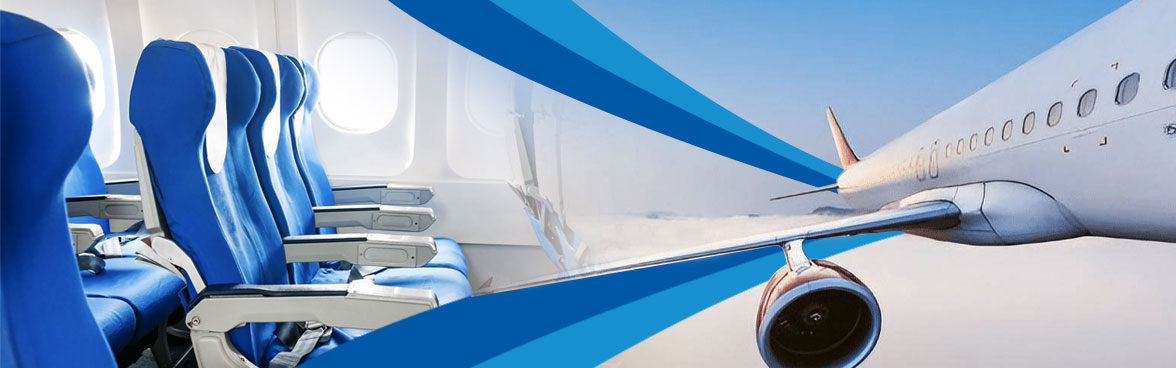
At 10,000 meters above ground, the comfort and safety of passengers depend heavily on the performance of the polyurethane foam used in aircraft seating. Producing high-quality polyurethane components that consistently meet these strict requirements demands highly precise and reliable manufacturing equipment. As a professional domestic supplier in the polyurethane machinery field, Feilong Polyurethane Equipment is enhancing its technology capabilities to support high-end applications, including rail transit, automotive manufacturing, and potential aerospace material production.
1. Why Polyurethane?—Meeting the Demanding Requirements of Aircraft Seating
Modern aircraft seating materials must satisfy exceptionally high technical standards:
- Lightweight construction: Reducing weight directly cuts fuel consumption; every kilogram saved can reduce annual fuel usage by hundreds of kilograms on long-haul aircraft.
- Passenger comfort: Seat cushions must distribute pressure effectively and minimize fatigue during long flights.
- Extreme safety: Materials must comply with FAA, EASA, and CAAC FST (Fire, Smoke, Toxicity) regulations, including vertical burn V-0 rating and an oxygen index ≥30%.
- Durability: Cushions must withstand tens of thousands of compression cycles and deliver more than 10 years of service life.
Polyurethane (PU) flexible foam is the global material of choice due to its adjustable density (typically 25–85 kg/m³), high resilience, excellent energy absorption, and mature processing characteristics.
However, achieving stable and uniform foam performance depends heavily on the metering accuracy, mixing stability, and process control of the manufacturing equipment.
2. Feilong’s Position: A Domestic Supplier Focused on Polyurethane Manufacturing Systems
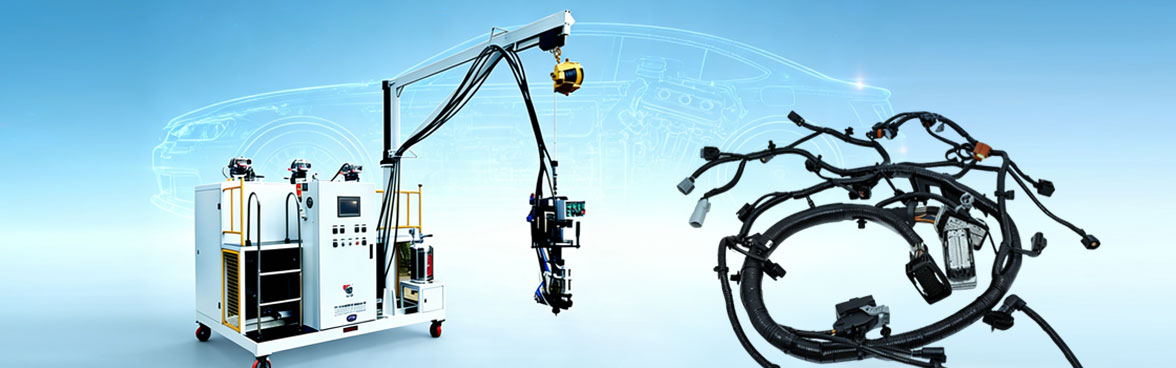
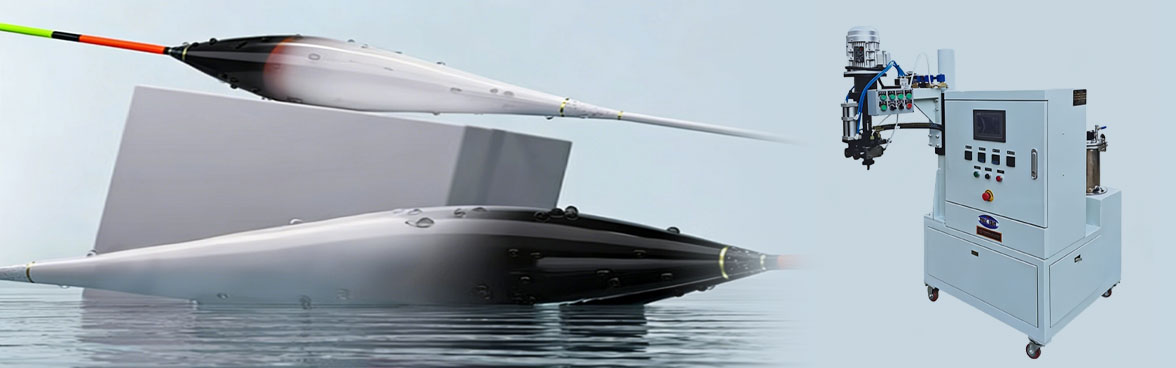
Feilong Polyurethane Equipment specializes in R&D and manufacturing of polyurethane spraying, casting, and foaming systems. Its product lineup covers:
- High-pressure foaming machines
- Precision metering units
- Automated pouring production lines
- Custom mold-integrated systems
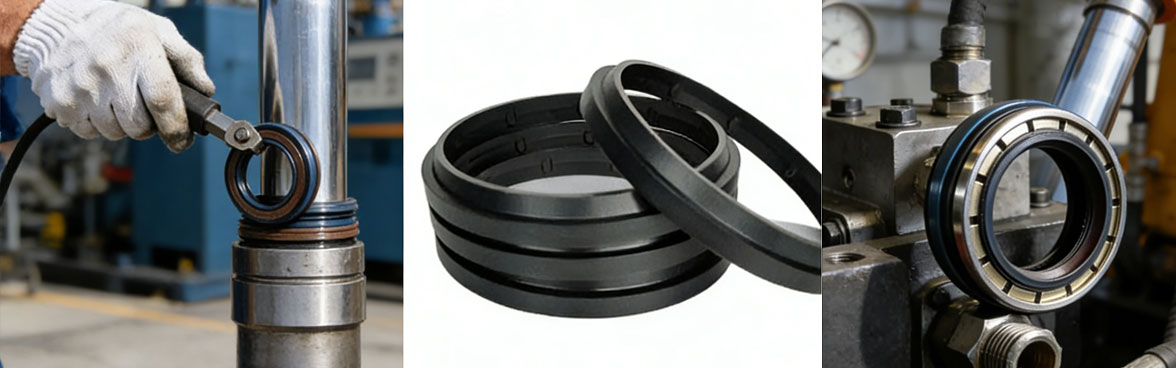
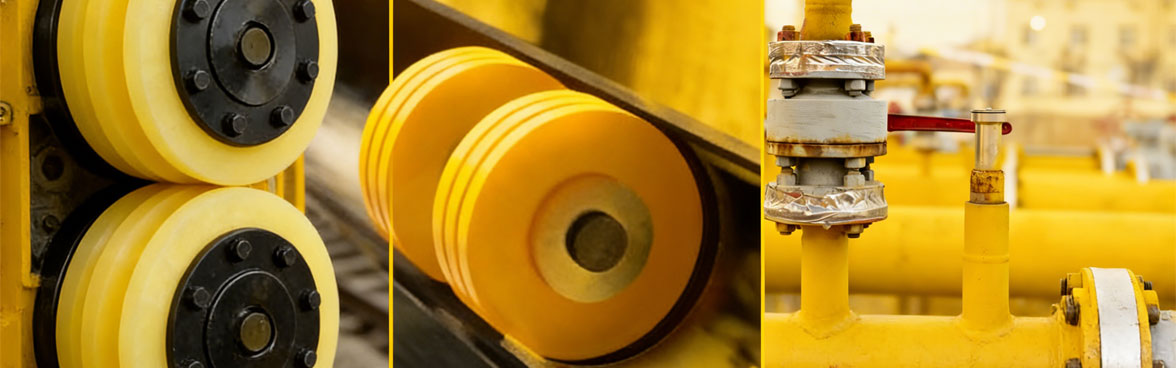
These solutions are widely used in automotive seating, furniture, cold-chain insulation, and rail transit.
The company is currently conducting application-specific optimization and testing for high-end sectors (including aerospace-grade PU foam development), aiming to improve equipment consistency, cleanliness control, and flexible production capability—key requirements for China’s high-end manufacturing localization goals.
3. Core Technology Capabilities
1) High-Precision Metering Systems
Feilong uses servo-driven, closed-loop metering technology to maintain isocyanate–polyol ratio accuracy within ±1%, significantly improving batch-to-batch consistency—an essential requirement for advanced foam applications.
2) Dynamic Mixing and Real-Time Process Monitoring
Feilong’s proprietary dynamic mixing heads integrate with PLC-based process control systems capable of real-time monitoring of material temperature, pressure, and other critical parameters.
Some models even support extreme-temperature material testing from –55°C to 120°C, depending on customer formulations and verification results.
3) Flexible Production Line Architecture
From single-station cells to multi-station automated lines, Feilong’s systems can be configured for complex production scenarios.
Its circular foaming lines can reach cycle times of 45 seconds per mold under ideal conditions, supporting multi-density integrated molding that improves ergonomic pressure distribution.
4) Quality Traceability and Clean-Production Management
Optional modules include:
- Integrated data acquisition and traceability
- Raw-material-to-final-part process logging
- Automatic cleaning functions
- Nitrogen protection systems for sensitive formulations
These capabilities address the growing demand for cleanliness and traceability in high-specification manufacturing environments.
4. Industry Impact
1) Lowering Barriers for High-End Material Development
Compared with imported equipment, domestic high-precision polyurethane systems offer advantages in cost efficiency and local service responsiveness.
This helps material manufacturers carry out aerospace-grade polyurethane foam trials and small-batch validation more effectively.
2) Supporting China’s Supply Chain Diversification
As programs like the C919 and ARJ21 accelerate local supply chain development, domestic suppliers such as Feilong are actively engaging in technical integration efforts.
Although they are not yet first-tier suppliers to major OEMs, their ongoing innovations are laying the foundation for future localization breakthroughs.
Conclusion: Strengthening the Foundation for High-Value Manufacturing
Feilong Polyurethane Equipment’s continuous improvements in precision, automation, and process control reflect the broader advancement of China’s manufacturing capabilities toward high reliability and high consistency.
In an era of global supply-chain restructuring and accelerated localization of high-end manufacturing, true competitiveness comes not only from final product design but from the strength of every process along the value chain.
For material manufacturers pursuing high quality and high efficiency, adopting well-validated domestic equipment may be a critical step toward accessing high-value applications—including aerospace-level polyurethane materials.