 FEILONG PU MACHINE

Why Are Some Casting Machines Twice as Expensive? What Are the Core Differences
Wenzhou Feilong Polyurethane Equipment Engineering Co., Ltd.
Chinese website: http://www.pumcn.com/
English website: https://www.flpumachine.com/
Many purchasing teams share the same confusion: several suppliers offer two-component casting machines that look almost identical, yet their quotations can differ by as much as double.
Most buyers first assume the gap comes from profit margins. In fact, the price difference rarely relies purely on profit. Low-cost models and high-end versions may both feature A and B material tanks, metering pumps and mixing heads, but they differ sharply in core components, machining tolerance and process compatibility. Cheap equipment saves money upfront, yet it frequently suffers ratio drift, unstable temperature, high reject rates and unplanned downtime during mass production, leading to higher overall operating costs.
Below we break down the key factors that create such large price gaps.
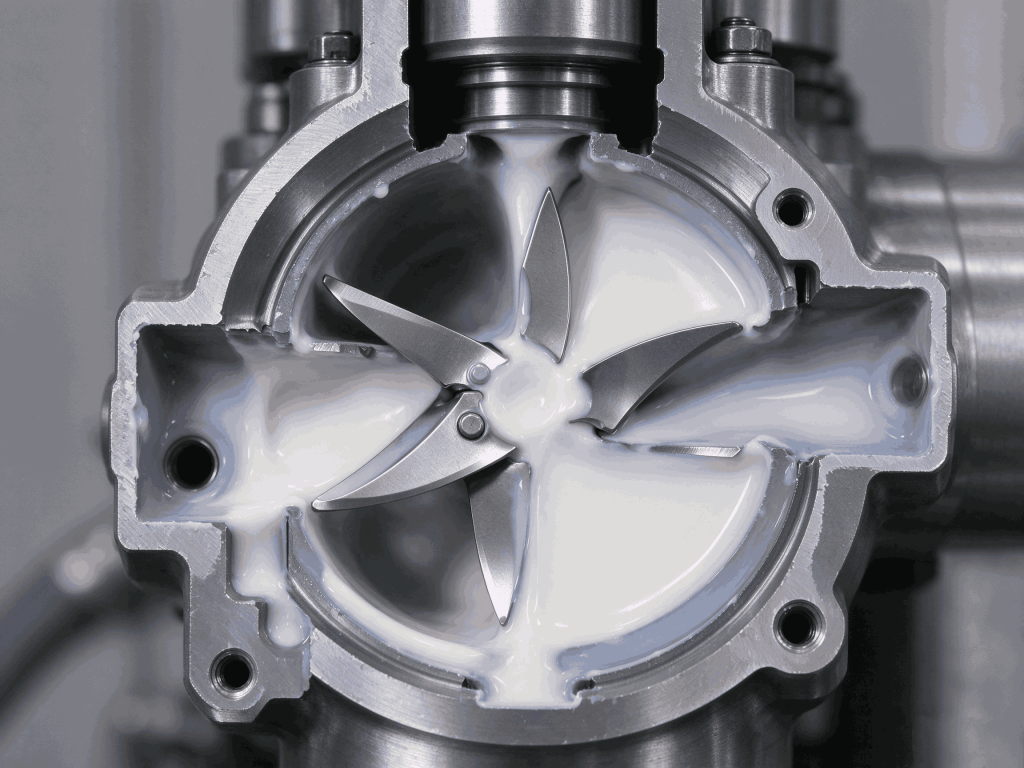
The metering unit is the heart of a casting machine and the top source of price differences. Entry-level models usually adopt ordinary gear pumps and simple speed regulators without independent pressure compensation. Accuracy may look acceptable during calibration, but flow drifts easily once raw material temperature, viscosity or pipeline pressure changes. They may work for non-critical products, yet batch consistency becomes poor in high-volume production where stable hardness and molecular weight are required.
High-end machines use high-precision low-speed tungsten steel gear pumps or plunger metering structures, paired with pressure transmitters and closed-loop flow feedback control. Pump bodies are made of wear-resistant materials with tight machining tolerances, keeping ratio errors stable even with fluctuations in temperature and viscosity. For MC nylon, premium PU wheels and sealing parts, metering accuracy directly decides the stability of molecular weight, hardness and mechanical performance. A complete closed-loop metering system can account for more than 30% of the total price gap.
2. Temperature Control: Basic Heating versus Zoned Constant Temperature Control
Temperature control is far more than simple heating rods. Low-cost units heat the whole tank without traced pipelines or independent thermal circuits. Few temperature sensors are installed; heating and cooling responses lag. Material viscosity shifts easily with ambient changes, causing unstable foaming or polymerization.
Premium systems feature independent zoned temperature control for tanks, delivery pipelines, casting heads and mold preheating, with circulated heat transfer medium and insulation layers. Multiple sampling points and PID closed-loop regulation keep temperature fluctuations within a narrow range. For temperature-sensitive materials such as MC nylon, a deviation of only one or two degrees will alter polymerization and final molecular weight. For PU foam and elastomers, unstable temperature causes blowholes, delamination and color variation. Sophisticated constant-temperature systems demand higher investment in design and components.
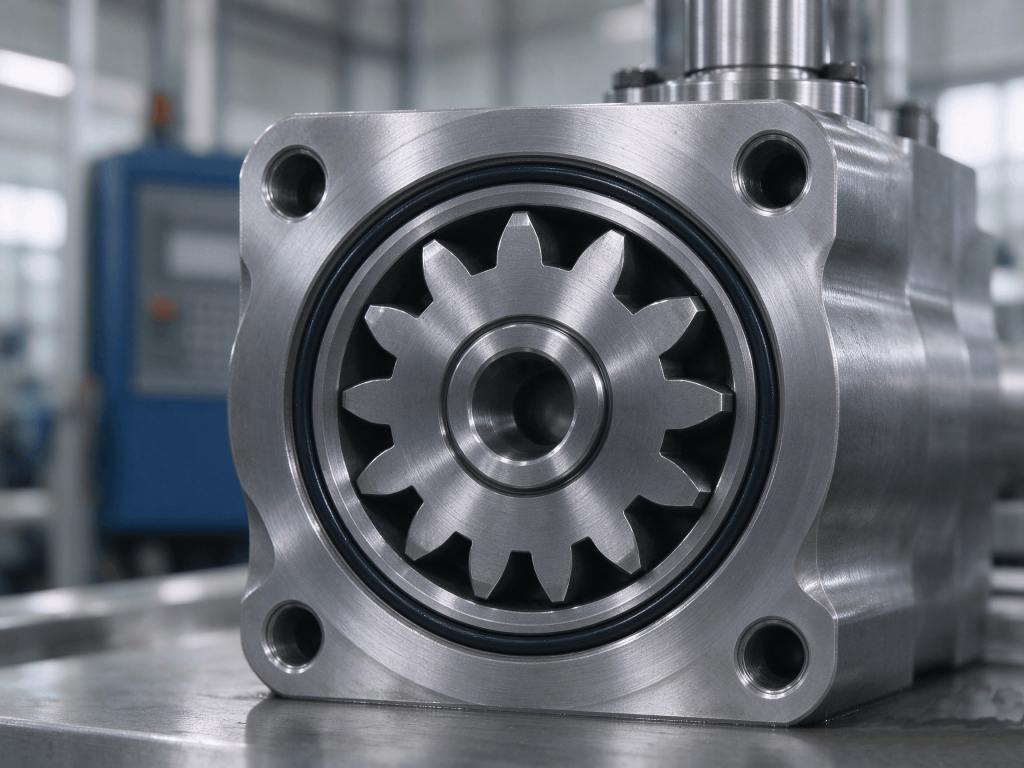
Though compact, the mixing head determines process success. Low-cost mixing heads have basic shearing structures, simplified recirculation and cleaning channels. Materials mix unevenly, resulting in streaks and incomplete reaction. Poor cleaning design leaves large residue during color or formula change, wasting raw materials and extending cleaning time.
Quality mixing heads are often independently developed and patented, with optimized flow channels, shear blades, recirculation paths and sealing structures. They deliver uniform mixing with minimal leftover material. Reliable seals prevent backflow and leakage; pressure-balanced valves in cleaning circuits simplify material switching. Mixing heads must match specific processes: PU elastomer, carpet backing foam and MC nylon follow different reaction mechanisms and require distinct internal flow designs. Generic simple heads can produce samples but struggle with stable mass production. Custom patented heads carry higher R&D and machining costs.
4. Material Standard and Durability: Hidden Long-term Cost Differences
Many cost cuts are hidden in raw materials and fabrication standards:
Material tanks: budget versions use ordinary stainless steel with basic welding; premium tanks adopt 304 stainless steel, precision argon welding and polished inner surfaces to avoid material accumulation and contamination.
Seals: common rubber seals swell and degrade quickly when exposed to isocyanate; high-grade fluororubber and special sealing components extend service life.
Pipelines and frames: low-cost layouts contain many dead zones where material stagnates and pre-reacts; optimized smooth pipelines reduce trapped material.
Assembly tolerance: entry-level assembly standards are loose; high-end machines finish pump bases and head mounting surfaces with precision machining to minimize vibration and wear over time.
Cost-saving choices in these areas show few issues at first, but leakage, pump jamming and seal failure tend to emerge after half a year or one year of operation.
5. Control System: Manual Adjustment versus Traceable Digital Automation
Basic machines use inverters and button panels with simple speed adjustment. No data logging or fault alarm functions. Operators record parameters manually, making it hard to trace the root cause of defects.
Advanced control packages include PLC and touch screens. Ratio, flow, temperature and vacuum data are displayed, saved and exportable in real time. Alarms trigger when values go out of range, and recipe storage allows one-click recall of proven process parameters for fast product changeover. Batch traceability is mandatory for OEM supply and export orders. The complete sensor network, programming and data function add significant value and cost.
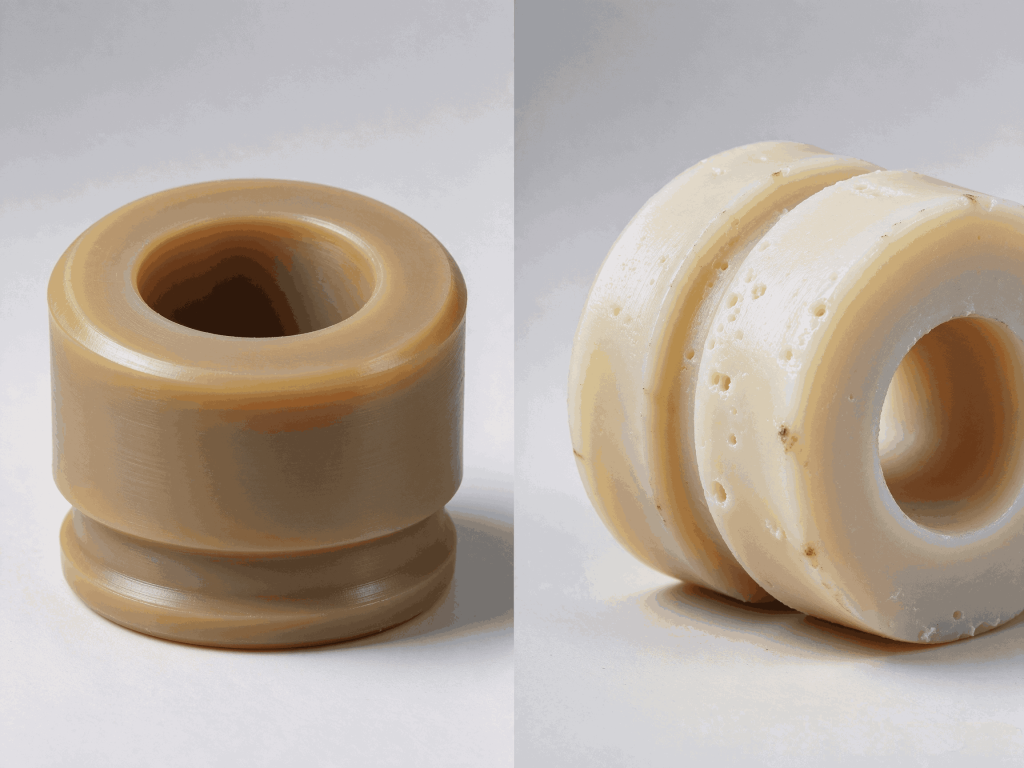
This is the most overlooked part of the price difference: equipment supply paired with technical service. Resellers and simple assemblers only deliver hardware. They cannot help with formula tuning, defect troubleshooting. The machine passes acceptance once it can discharge material, leaving trial-and-error work entirely to the buyer.
Professional equipment manufacturers develop machines together with process technology. Handover includes trial casting, formula guidance and operator training. Continuous support is available for new product development, formula modification and defect analysis. The R&D and on-site engineering team represents long-term investment reflected in the quotation.
7. How to Choose Wisely: Avoid Overspending and Low-quality Traps
7.1Clarify product requirements first: simple models work for sampling and low-volume non-critical parts; high-precision stable lines are recommended for mass production, export orders, heavy-duty wear parts and MC nylon.
7.2Compare detailed specifications instead of only photos: check pump type, zoning of temperature control, mixing head design, seal material and sensor configuration.
7.3Request trial casting tests: run multiple consecutive batches with the same raw material and formula to verify consistency, rather than judging only by appearance.
7.4Calculate total lifecycle cost: evaluate reject rate, material waste, downtime and maintenance together, not just the initial purchase price.
Closing
A double price tag rarely means pure brand premium. It reflects the combined gap in metering accuracy, temperature stability, mixing performance, material standards, automation and process service. A good casting machine is not judged by whether it can pour material, but whether it can steadily produce qualified parts over long runs.
Wenzhou Feilong Polyurethane Equipment Engineering Co., Ltd. provides tailored solutions based on your process requirements. We supply economical intermittent casting machines as well as custom high-precision production lines, with process commissioning and long-term technical support. Contact us with your product specifications for a proposal.