Many owners of polyurethane product factories face the same dilemma when expanding production or launching new production lines: should they choose a low-pressure casting machine or a high-pressure foaming machine?
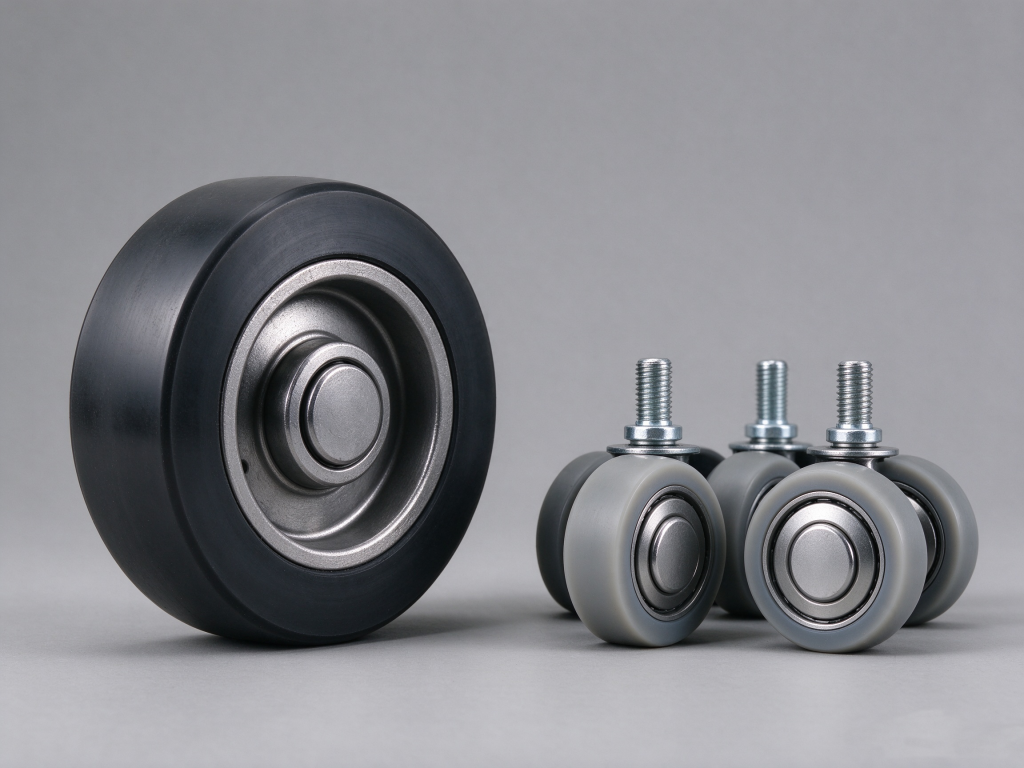
Manufacturers of polyurethane wheels commonly face this decision when expanding capacity: should they add more intermittent casting machines, or invest in an automatic rotary turntable casting line? Neither option is inherently superior. The wrong choice leads to one of two problems: insufficient capacity when orders arrive, or heavy capital tied up in machinery and molds that cannot switch efficiently between product variants. The following section explains the selection logic based on the practical characteristics of wheel production.
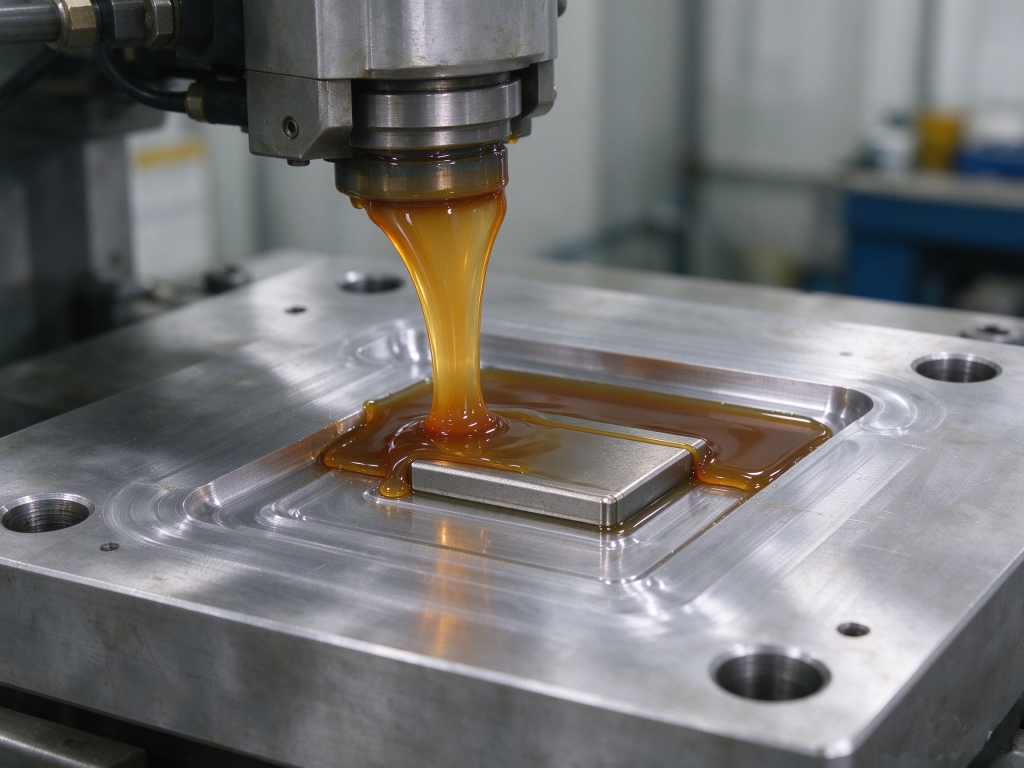
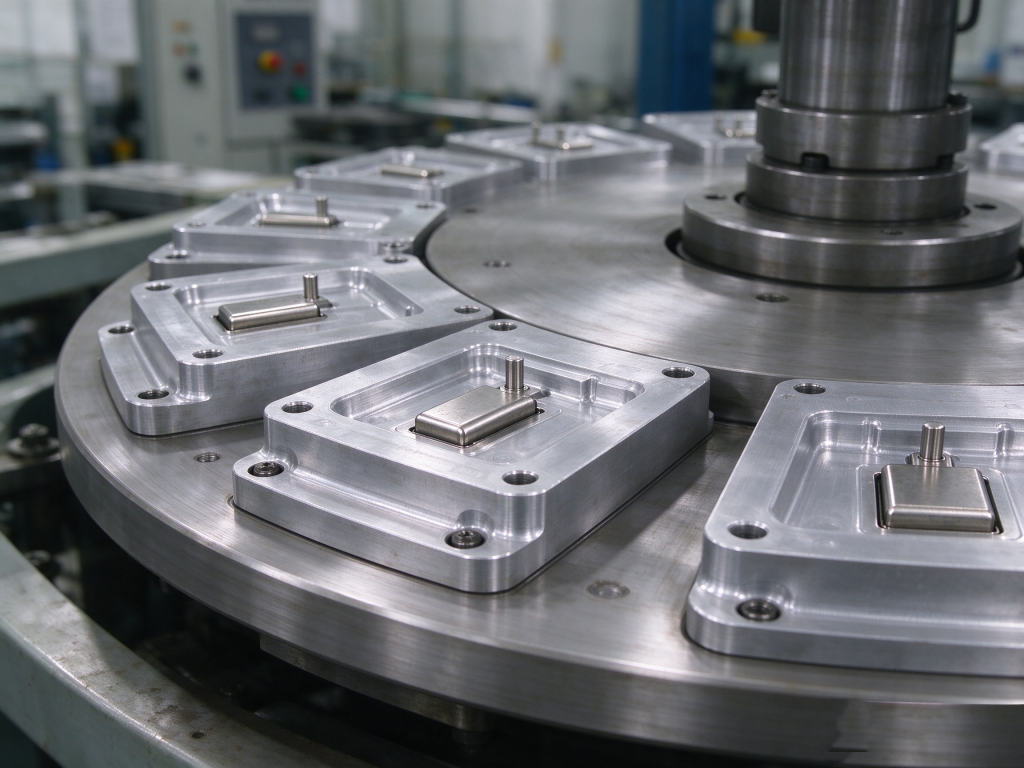
1. How the Two Types of Machines Work 1.1 Intermittent Casting Machine A typical setup consists of a low-pressure elastomer casting machine paired with one or two mold stations. A worker places the metal insert, applies release agent and closes the mold; the casting head dispenses the mixed material by volume. Once the casting reaches the demolding condition, the mold is opened and the green wheel blank removed, then moved to a post-curing rack. In terms of rhythm, one operator usually monitors one or two molds at a time, casting one part after another. The actual cycle depends on manual operation on the shop floor. Advantages: lower equipment and mold investment; quick adjustment of formula, hardness and color; compatible with both small and large parts; low space requirement and flexible layout. Limitations: output ceiling is constrained by the number of operators; consistency varies with operator technique; formula changeover, machine cleaning and re-commissioning take away effective production time in multi-variety production. 1.2 Automatic Rotary Turntable Casting Line The typical structure features a circular turntable with twelve to twenty-four stations; one mold is fixed at each station. The table indexes step by step, while the dispensing head fills material at a fixed station. Auxiliary stations cover release agent spraying, insert preheating and heating insulation. After forming, the wheel blank is ejected at a fixed position manually or by a robot, then sent for centralized post-curing. In this setup, molds cycle continuously and operators mainly handle insert loading, part removal and visual inspection; the casting action runs automatically according to preset parameters. Advantages: stable cycle time, low labor input per piece; high repeatability of mixing ratio and flow rate, resulting in consistent dimensions and hardness; well suited to continuous mass production of standard parts. Limitations: high upfront investment in machinery and a full mold set; product changeover requires mold replacement and re-tuning of cycle and process parameters; not economical for small batches and mixed orders.
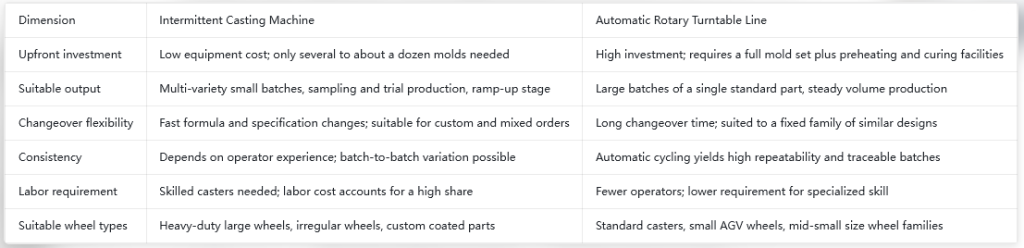
2. Comparison Across Six Key Dimensions
Three cost points are often overlooked: Investment accounting: the cost of a turntable line includes not only the main machine but also multiple molds, insert preheating equipment and curing staging areas. Purchasing a full line before orders stabilize puts depreciation pressure on profit margins. Consistency accounting: customers such as forklift and AGV OEMs often require batch-consistent hardness, dimensions and even running performance. Intermittent casting relies on operators, whereas a turntable line relies on equipment control, which matters especially in OEM supply and export orders. Flexibility accounting: export inquiries typically cover many specifications in small quantities with frequent hardness and size switches. Under this order structure, a combination of intermittent machines remains the more cash-flow-friendly option.
3. When an Intermittent Casting Machine Is the Right Choice 3.1Startup stage with unstable orders: validate formulas and the market with a small mold set; capital exposure and trial cost stay low. 3.2Predominantly multi-specification small-batch orders: casters ranging from tens to hundreds of millimeters in diameter with frequent hardness changes. 3.3High proportion of large heavy-duty wheels: heavy forklift wheels and construction equipment wheels are large and heavy with long curing cycles, making turntable layout uneconomical. 3.4Many custom coated and irregular designs: parts with special holes, brackets or multiple inserts are easier to position manually. 3.5Sampling and small-batch trials: pre-production samples before customer tooling approval do not require a full production line. 4. When an Automatic Rotary Turntable Line Makes Sense 4.1High-volume standard parts: one or two main caster or AGV wheel models with stable, predictable annual demand. 4.2Concentrated, similar product line: wheel diameters and structures belong to one mold family, keeping changeover costs low. 4.3Tight labor market and high labor cost: reduce dependence on skilled casters and stabilize yield through fixed cycles. 4.4Strict consistency requirements from customers: OEM supply and bulk export orders require stable rejection rates and traceable batch parameters. 4.5Mature facility conditions: the plant has insert preheating, curing racks, finished-goods staging and inspection areas to support continuous cycling.
5. Selection Checklist and a Phased Expansion Roadmap Answer five questions before purchasing: 5.1What is the annual demand of the main model? Frequent changeovers with insufficient single-model volume favor intermittent machines. 5.2How many active specifications do you run? Many SKUs with small per-model volume favor intermittent combinations. 5.3How wide is the wheel size range? Mixed large and small production does not fit a turntable line well. 5.4Is the demand forecast reliable? Avoid heavy-capital line investment before orders and cash flow stabilize. 5.5What are the existing skills and space conditions? Factories without skilled operators or curing areas should expand lightly first. For most manufacturers, a phased roadmap is safer: Stage 1: deploy one to two intermittent casting machines to stabilize formulas, molds and customers. Stage 2: once one or two high-volume best-selling models emerge, add a small automated station or compact turntable dedicated to those models. Stage 3: when multiple best-sellers run in parallel, evaluate a multi-station turntable line for expansion. A mixed configuration is common in practice: intermittent machines handle mixed orders, samples and large custom parts, while the turntable line runs standard main models. The two are complementary rather than mutually exclusive. Closing Equipment selection should match your order structure to the machine rhythm, rather than choosing whichever sounds more advanced. If you are planning a wheel production line, send us your wheel specifications, part weight, estimated monthly output and insert design. Wenzhou Feilong Polyurethane will help size the intermittent machine configuration or turntable station plan, and provide trial casting and process commissioning support.
 FEILONG PU MACHINE